

What criteria must you meet to get weight-loss drugs on prescription?
Peter Paumgardhen | Last update: 16th June 2025
Losing weight can be one of the toughest challenges many of us face. For some, no amount of dieting or exercise seems to make a lasting difference. It can feel like an uphill battle, and sometimes, its emotional weight is just as heavy as the physical pounds we’re trying to lose. For many, GLP-1 weight loss drugs, like Mounjaro, Wegovy and Saxenda have emerged as a game-changer, offering hope where other approaches may have fallen short. But how do you qualify for these treatments in the UK?
Read more to explore the BMI requirements and other qualifying factors for getting prescribed. We want to make it easier for you to understand the standards used by online pharmacies, doctors and healthcare providers to help you decide if this is the route for you.

What is BMI and why does it matter?
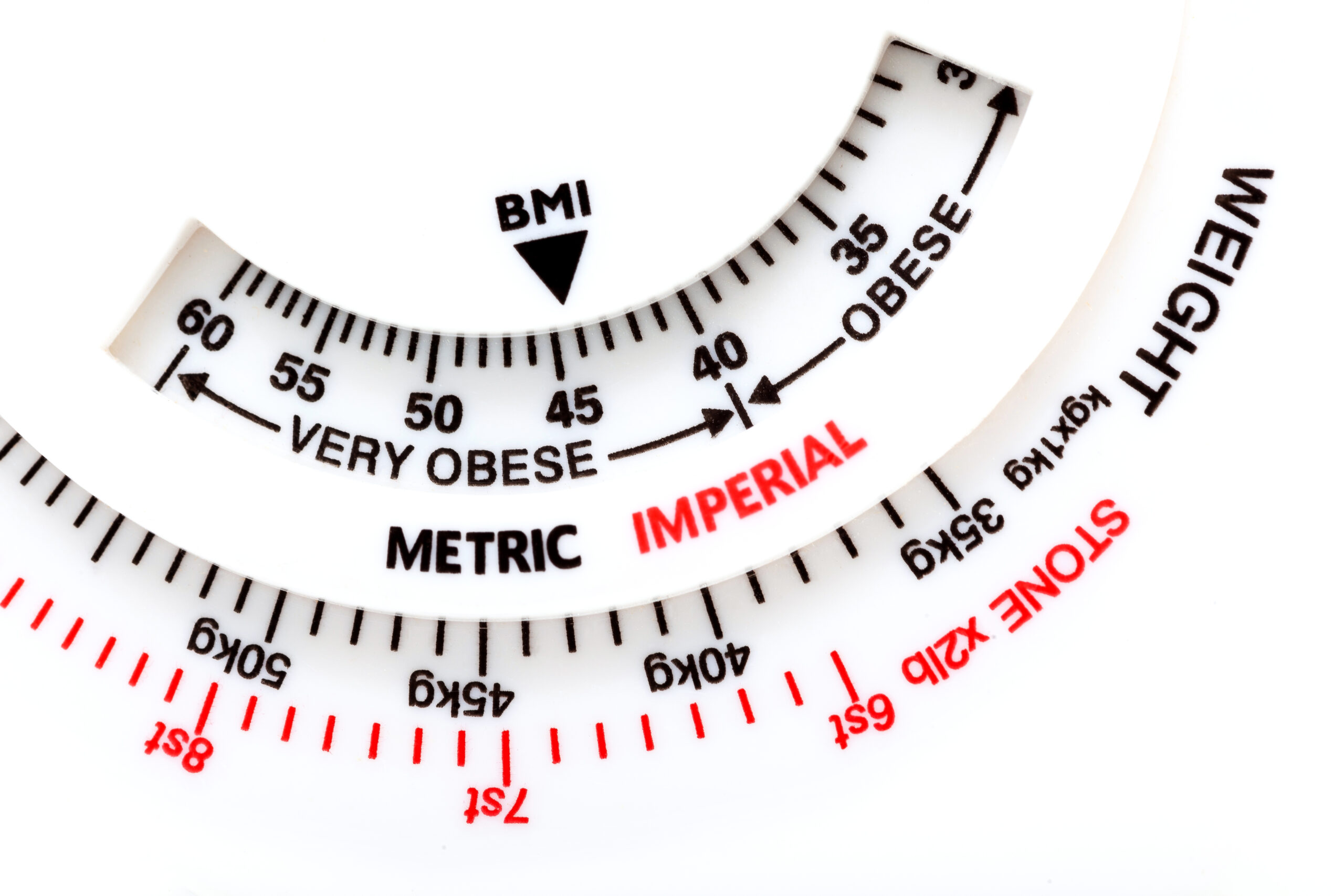
BMI, or Body Mass Index, is a number that helps healthcare professionals assess if a person is underweight, healthy, overweight, or obese. It’s calculated by dividing your weight in kilograms by your height in meters squared. While it isn’t a perfect measure — and it doesn’t take muscle mass or distribution of fat into account — it provides a simple way to categorise weight and its potential impact on health.
In the UK BMI plays a significant role in determining eligibility for GLP-1 weight loss drugs. Generally speaking these weight loss drugs are considered for people who:
- Have a BMI of 30 or more or
- Have a BMI of 27 or more and also have weight-related health conditions such as type 2 diabetes or high blood pressure.
The revolutionary weight loss drugs mimic a naturally occurring hormone that helps regulate blood sugar levels and appetite. They slow down how quickly food leaves your stomach, helping you feel full longer, and can reduce cravings by affecting areas of the brain related to hunger. They are designed to help suppress appetite and assist with weight loss efforts, but they aren’t meant for everyone. They’re typically recommended when other approaches, such as diet and exercise, haven’t worked well enough on their own.
If you want a detailed explanation of how to calculate your BMI, please go to our article, ‘How do I work out my BMI’.
Other qualifying factors
While BMI is the first step in determining eligibility, it’s not the only factor that doctors or healthcare providers consider. Some of the other important aspects include:
- Your weight loss history: they will often look at your history of weight loss attempts. Have you tried multiple approaches like different diets, exercise programmes, or medication without much success?
- Weight-related health conditions: if you have health conditions that are impacted by your weight, like sleep apnoea or type 2 diabetes, you might qualify even if your BMI is slightly below 30. It’s all about ensuring the treatment is appropriate and beneficial for your overall health.
- Current medications and health risks: they will assess any current medications and overall health risks to determine if weight loss drugs are suitable for you. For example, certain conditions or medications may make this approach less safe or simply less effective.

Getting started: What to expect
The first step is to contact your GP, a healthcare provider or online pharmacy. They will need to know your BMI, understand your health background and will want a two-way discussion about your weight loss attempts so far.
If you’re unsure where to begin or want a step-by-step guide on the prescription process, please go to our article, ‘How do I get a weight loss prescription?‘.
Don’t forget, though, that weight loss drugs are a tool, not a magic solution. They work best when combined with healthy eating, regular physical activity, and ongoing support. Finding a community, like here at SlimrChat, can make a huge difference. Knowing others are on the same journey — celebrating wins and working through setbacks — helps keep things real and maintains motivation.
Potential side effects and considerations
It’s also important to talk with your healthcare provider about the potential side effects. Some people experience nausea or changes in digestion, particularly when they first start treatment. Others may need to adjust their diet to avoid certain foods that could make the side effects worse. These treatments work differently for everyone, and it’s crucial to be informed about what to expect.
It’s also worth noting that they are usually prescribed for a specific duration, and your progress will be monitored closely by your healthcare provider. This means that it’s not just about qualifying to start — it’s also about ongoing eligibility as you go through the treatment.

Remember it’s not just about BMI
Qualifying for weight loss drugs involves a more than just hitting a certain number on the BMI scale. It’s about understanding your health, your goals, and whether these treatments are the right fit for you. It can be a daunting step, but for many of us, it’s one that could change our lives.
We know that making decisions about weight loss can feel overwhelming, and it’s not always easy to get the kind of honest, judgment-free advice you need. Here at SlimrChat, we’re here to support each other — so if you’re thinking about starting on this path, or you’re already on it, you’re not alone.